
Where to Buy a SIM Card When Traveling Abroad (And a Better Alternative)
Wondering where to buy a SIM card when traveling abroad? Here’s how to get connected instantly, compare your options, and why switching to an eSIM can make travel smoother and more sustainable.
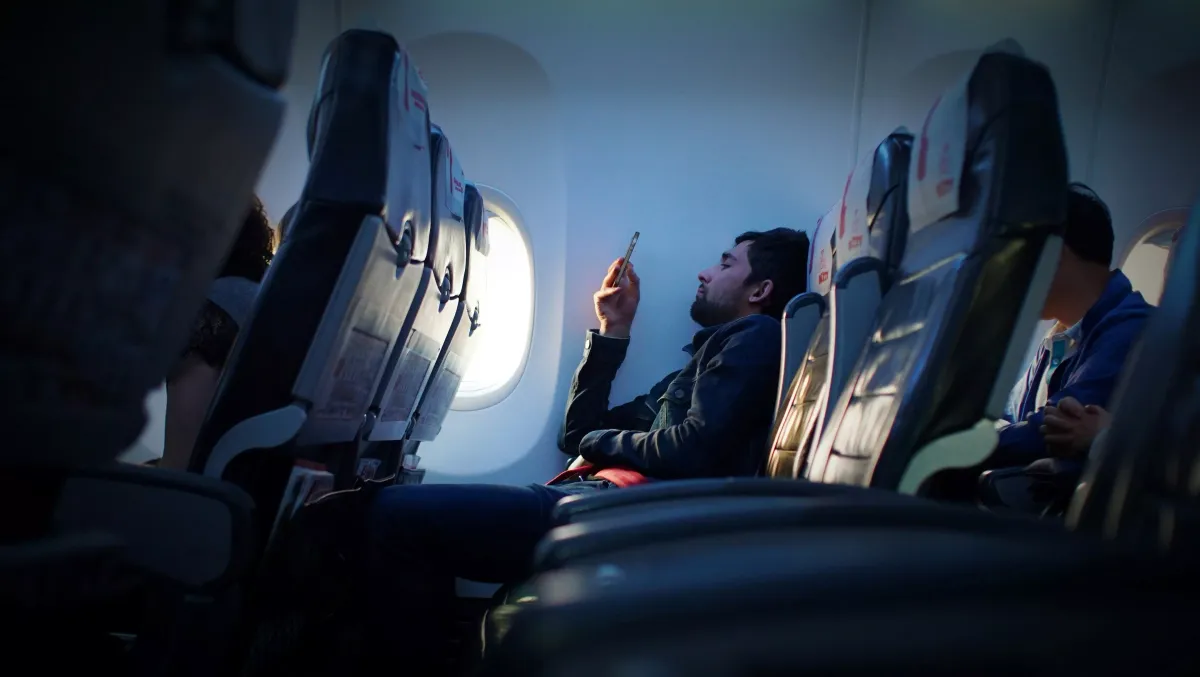
If there’s one thing modern travel has made essential, it’s staying connected.
From ordering your first ride from the airport to finding your Airbnb or checking restaurant reviews, having data the moment you land can completely change how your first few hours feel.
But the question every traveler still asks before boarding a flight:
“Where can I buy a SIM card when I travel?”
After years of slow traveling through Asia, Europe, and Latin America, I’ve tried almost every option, from airport kiosks to local telecom shops. Here’s what I’ve learned about buying SIM cards abroad, and the alternative that’s made my travels simpler than ever.
💡 Disclosure: This blog may contain affiliate links. If you make a purchase through them, I may earn a small commission, at no extra cost to you. These links help me keep sharing mindful travel guides and real experiences through Digital Nomad Life.
1. Buying a SIM Card at the Airport
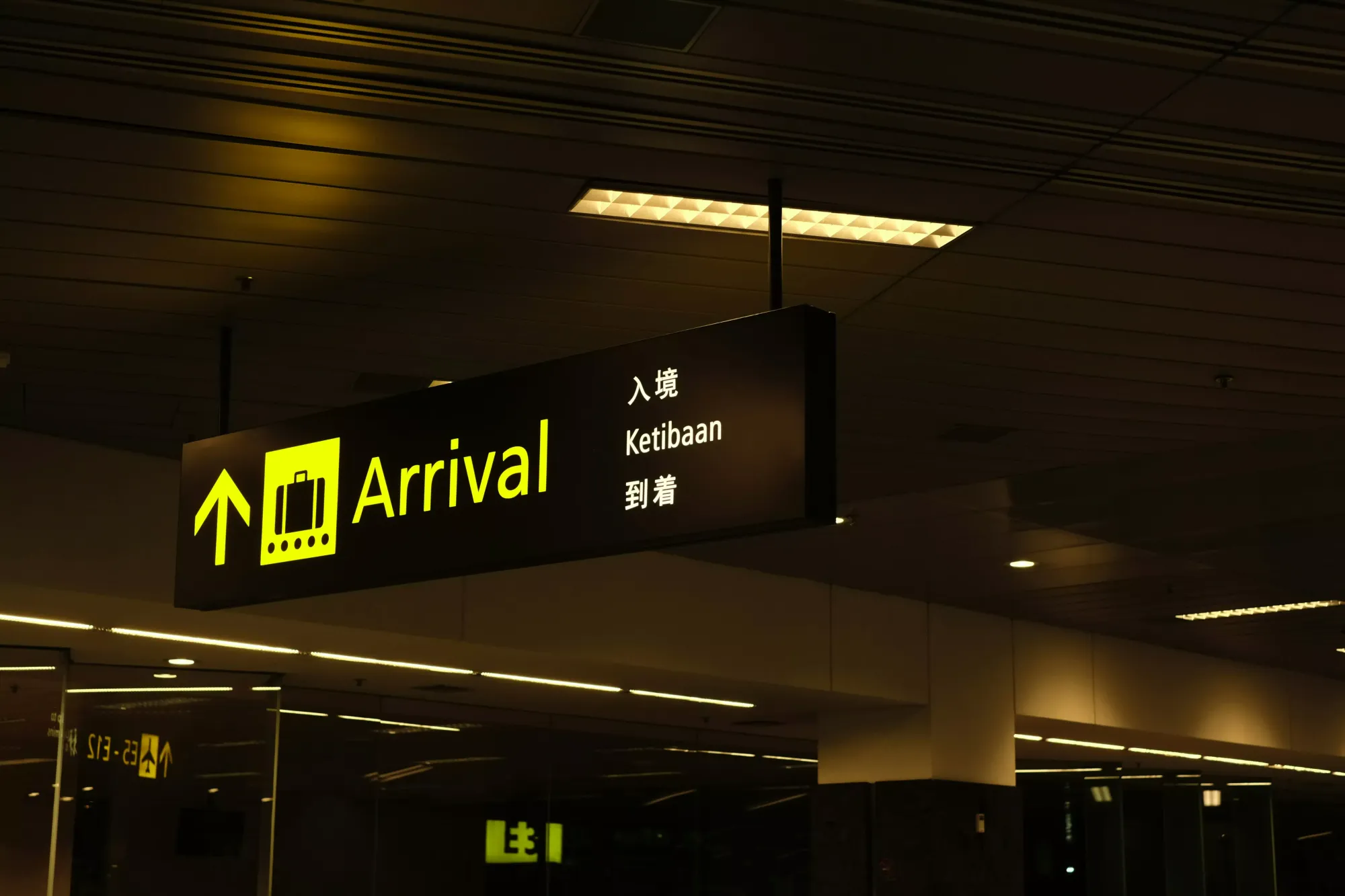
The airport is usually the easiest place to grab a SIM card. You’ll find branded counters from major telecom companies right after customs, usually open 24/7.
Pros:
✅ Convenient — you can get connected right away
✅ Staff help you install and activate the SIM
✅ Great for short trips or first-time travelers
Cons:
❌ Often more expensive than city shops
❌ Tourist-only plans with limited data or short validity
❌ Long queues after long flights
If you choose this route, double-check that your phone is unlocked before departure otherwise, foreign SIMs won’t work.
💡 Tip: Keep your home SIM safe in a small zip bag or SIM tray holder to avoid losing it during your trip.
2. Buying a SIM Card in the City
If you’re slow traveling or staying for a few weeks, heading to a local telecom store in the city can save money.
For example:
- In Thailand, local stores like AIS or TrueMove offer cheaper long-term data plans than airport counters.
- In Mexico City, Telcel and AT&T shops sell local SIMs with generous data packages for digital nomads.
Pros:
✅ More flexible plans
✅ Lower cost than tourist options
✅ Local number is useful for deliveries or two-factor authentication
Cons:
❌ Language barriers where plan details may not be in English
❌ Requires passport for registration
❌ Takes time to find the right store
It’s a great choice if you’re settling in for a month or longer and want a local connection.
3. The Smarter Option: Using an eSIM
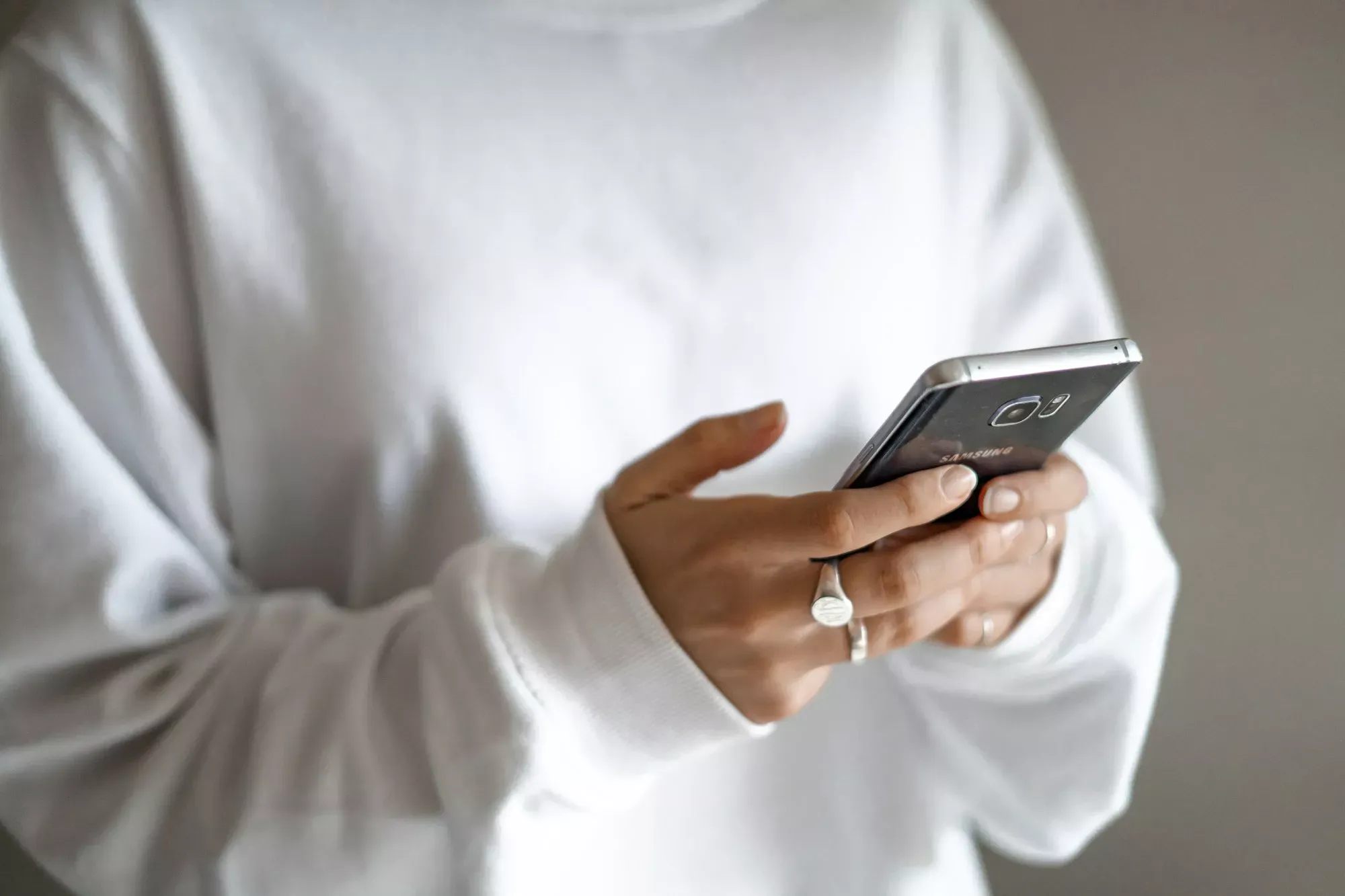
These days, I rarely buy physical SIM cards anymore.
Instead, I use eSIMs which are digital SIMs that can be downloaded directly onto your phone before your flight.
Platforms like Airalo let you purchase data plans for over 200 locations, install them in minutes, and connect instantly the moment you land.
Why I love eSIMs:
✅ Works in 200+ locations
✅ No waiting in lines or swapping tiny SIM trays
✅ Eco-friendly—no plastic waste
✅ Competitive pricing
✅ One device can hold multiple eSIM profiles
It’s exactly what slow travelers and digital nomads need, connection that moves with you.
Example: Before flying from Bangkok to Tokyo, I activated my Japan eSIM through Airalo while still at the airport gate. By the time I landed, I was already online, navigating the city and messaging my host, no hassle, no setup time.
💸 Exclusive Reader Discount
You can now save up to 15% on Airalo eSIMs:
- 10% off for all users: https://airalo.pxf.io/SASMINI10
- 15% off for new users: https://airalo.pxf.io/SASMINI15
Use code SASMINI10 or SASMINI15 at checkout (valid until 30 June 2026).
Both links automatically apply the discount, no need to enter the code manually.
If you’re already an Airalo user, enjoy 10% off with code SASMINI10.
🌐 New: Unlimited eSIM Packages
Airalo has recently launched a range of unlimited data packages, ideal for travelers who stream, work remotely, or move between destinations often.
You can explore the full list of unlimited plans by location here 👇


4. eSIMs Are More Sustainable

Physical SIM cards create millions of tons of waste every year through packaging, plastic, and shipping.
eSIMs, on the other hand, are 100% digital. They use no plastic, no packaging, and can be reprogrammed instead of discarded.
For travelers who care about their carbon footprint, switching to eSIMs is a small but meaningful way to reduce waste while still staying connected.
5. Are eSIMs Safe and Reliable?
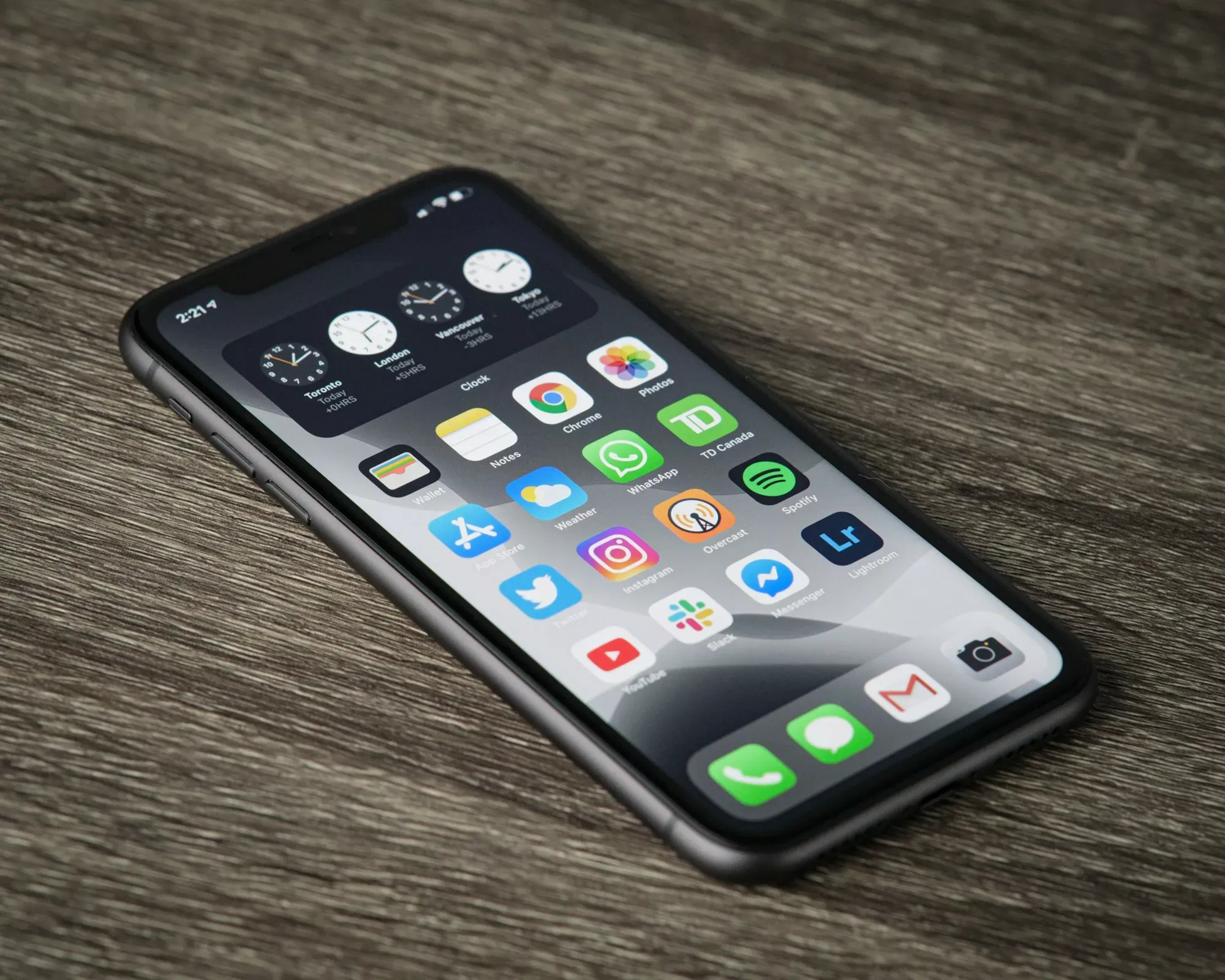
Yes. eSIMs connect to local mobile networks, not international roaming.
That means you get the same high-speed data you’d get with a local SIM, just without the physical card.
They’re supported on most modern smartphones like:
- iPhone 11 and above
- Google Pixel 4 and above
- Samsung Galaxy S21 and above
You can check if your phone supports eSIMs here.
6. My Pre-Trip Routine
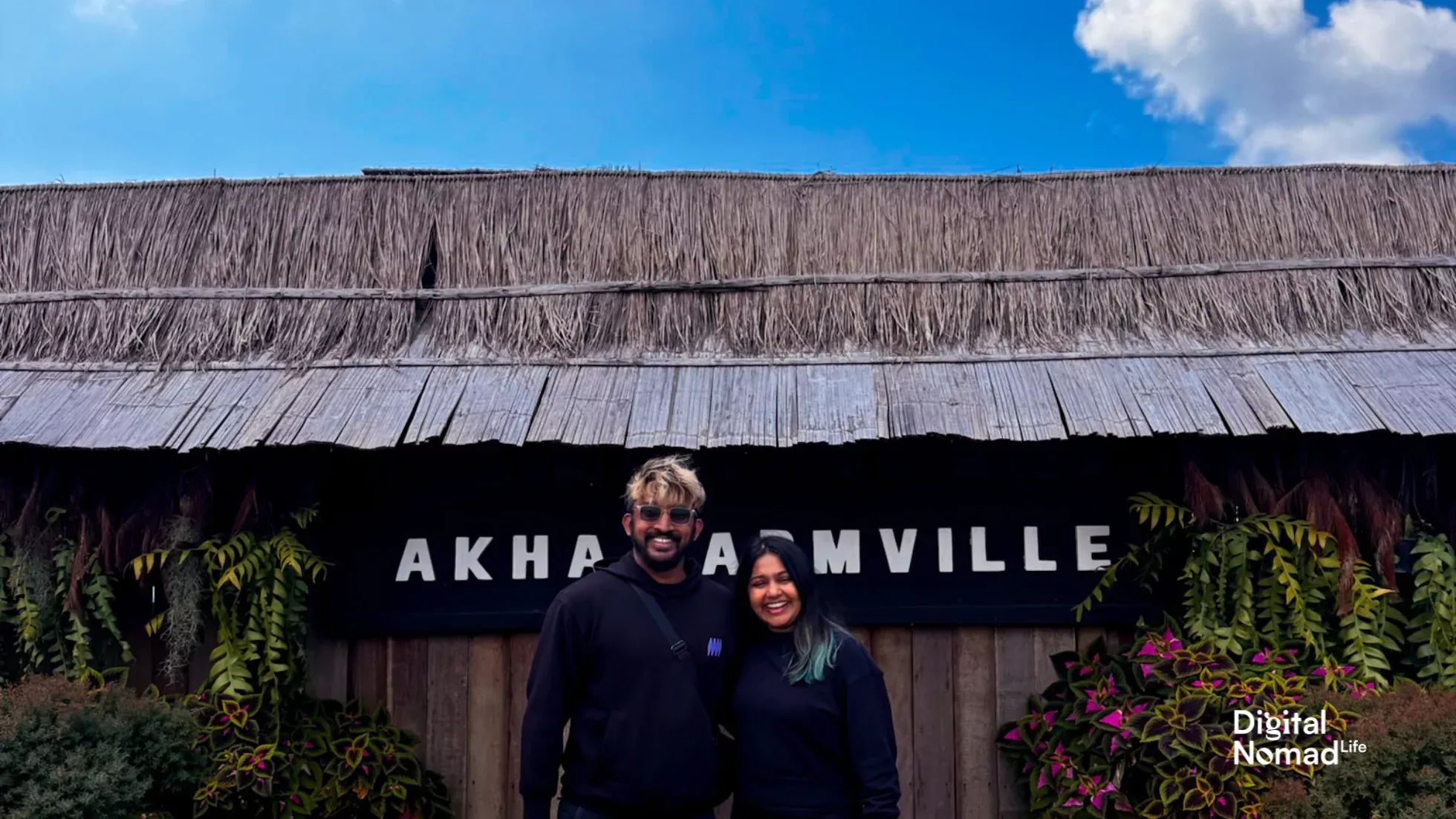
As a digital nomad, I’ve developed a short ritual before every trip:
- Install my eSIM, so I can connect the second I land.
- Save key places on Google Maps like cafés, coworking spots, and my stay.
- Set an intention as a simple reminder to travel slowly and stay grounded.
It’s the same mindset I bring into everything I share at Digital Nomad Life:
travel less like a tourist, more like a mindful explorer.
Final Thoughts
So, where should you buy a SIM when traveling abroad?
If you like convenience, get an eSIM before you fly.
It’s faster, more sustainable, and designed for how modern travelers move, seamlessly across cities and time zones.
🌏 Try Airalo eSIMs — connect instantly in 200+ locations and make your next trip smoother from the moment you land.

Comments ()